Godrej Castillo Investment
Published 06 Jul 2026 · Last updated 06 Jul 2026
Prices & RERA details verified against the K-RERA portal, July 2026.

Godrej Castillo Investment brings together the finance and return guides you need to judge a Bangalore property purchase in 2026. Three money questions decide the outcome: what you pay the government in stamp duty and registration, how you finance the balance, and what the asset earns in rent and appreciation. This hub answers each, so you can budget the true cost and judge the payback before you commit.
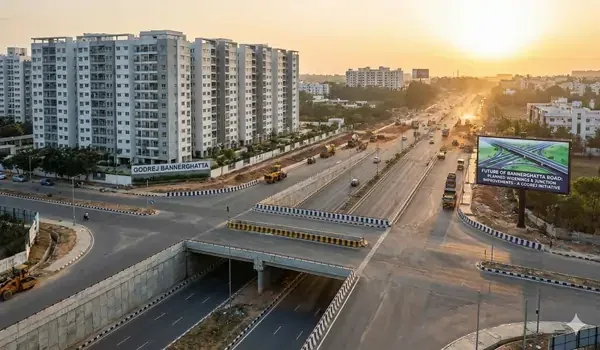
The guides here apply city-wide, whether you buy in South Bangalore or elsewhere, and connect back to our project, Godrej Castillo by Godrej Properties, on Bannerghatta Road. Use the sections and the guide grid below to jump to the detail.
The Real Upfront Cost of Buying
Two government charges sit on top of the agreement value: stamp duty and registration. In Karnataka, stamp duty is 5% for property above Rs 45 lakh, and within city limits a cess and surcharge push the effective rate to about 5.65%. Registration adds a flat 1%. On a Rs 1 crore home that is close to Rs 6.65 lakh, paid from your own funds because a home loan covers only the property value.
Planning these charges early is the single biggest fix for a last-minute cash shortfall at registration. The full breakdown, slab by slab, sits in the home loan and charges guide below.
Financing the Purchase
Lenders fund a share of the property value, called the loan-to-value ratio, typically up to 90% for smaller loans and 75% for larger ones. The rest is your down payment, and stamp duty and registration are extra. Interest is usually floating, so your EMI moves with the benchmark rate, and the tenure can run up to 30 years.
Tax deductions soften the carrying cost for an end-user: principal under Section 80C and interest under Section 24(b) on a self-occupied home. See the current live figures on the Godrej Castillo price list before you size a loan.
The Investment View
Once the cost is clear, the return decides the buy. In South Bangalore, rental yields sit near 4% and appreciation has been steady on the back of job growth and metro work. The corridor guides break down which pockets rent fastest and how price trends have moved, so you can weigh yield against capital growth for your horizon.
Bangalore Home-Buying Costs 2026 — Quick Overview
| Component | Indicative 2026 | Notes |
|---|---|---|
| Stamp duty (above Rs 45 lakh) | 5% (~5.65% effective in city) | Includes cess & surcharge |
| Registration charge | 1% of value | Flat across slabs |
| Home loan LTV | ~75–90% | By ticket size, per RBI norms |
| Home loan interest | ~8–9% | Usually floating, up to 30 yrs |
| Rental yield (South Bangalore) | ~4% | Varies by configuration and pocket |
Rates indicative, as of July 2026 — confirm current slabs, cess and interest with the sub-registrar and your lender.
Frequently Asked Questions
1. What is the total upfront cost of buying a home in Bangalore?
Beyond the price, expect about 5.65% effective stamp duty plus 1% registration on the guidance value, paid from your own funds along with the down payment. On a Rs 1 crore home that is close to Rs 6.65 lakh in government charges.
2. Does a home loan cover stamp duty and registration?
No. Lenders calculate the loan on the property value only, so stamp duty and registration are paid separately from your own funds. Budget them alongside the down payment.
3. What rental yield can I expect in South Bangalore?
Rental yields in South Bangalore sit near 4%, which is typical for the city. Actual yield varies by configuration, pocket and whether the unit is furnished, and is best assessed against current rents in the specific micro-market.
4. What tax benefits does a home loan give?
On a self-occupied home under the old regime, principal repayment qualifies under Section 80C up to Rs 1.5 lakh a year and interest under Section 24(b) up to Rs 2 lakh a year. Stamp duty paid at purchase also counts toward the 80C limit.
5. Is Bangalore a good place to invest in property in 2026?
Bangalore continues to offer steady appreciation and deep rental demand from its IT base, with South Bangalore corridors supported by metro work and job clusters. It suits a medium-term horizon rather than a quick flip.
Godrej Castillo Blog